
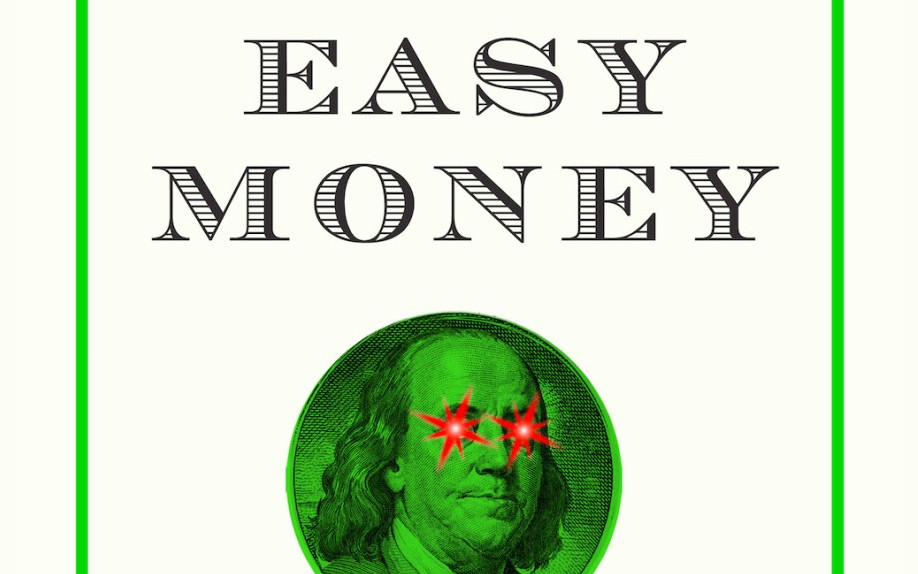
My own recent analysis in What Bitcoin’s Meltdown Reveals About Markets set a high bar — which is why Easy Money started strong but gradually lost me.
Easy Money started strong for me. Ben McKenzie explains Bitcoin clearly for the layperson, and those early chapters helped frame the technology in simple, practical terms. But after Chapter 2, the book lost momentum. By the time I reached Chapter 6, The Business of Show, the focus felt less like an analysis of Bitcoin and more like a series of adventures featuring Ben and Jake.
The shift toward personality-driven storytelling made the book feel trivial. Much of what followed centered on human behavior, marketing, and social dynamics. Those elements matter, but they are not unique to crypto; they exist in every corner of business and economics. I wanted deeper engagement with Bitcoin itself — its structure, incentives, and inherent strengths or weaknesses — rather than a running commentary on the people surrounding it.
One line, however, stayed with me:
“You cannot create a trustless form of money because money is trust, forged through social consensus.”
That sentence reframes the entire Bitcoin experiment. The technology is fascinating. The idea of settling payments without a central authority is bold and innovative. Yet the practical reality remains: a currency only works when people agree to trust and use it.
Satoshi Nakamoto undeniably changed the conversation around payments and settlement systems. But it also raises a deeper question: what problem was Satoshi truly trying to solve, and what frustration drove the creation of Bitcoin in the first place?
McKenzie and Silverman succeed at challenging assumptions, and that skepticism is the book’s real value. Even so, for me, that insight alone was not enough to justify keeping it in my Kindle library — so it got ejected.