
Tag: government systems
-
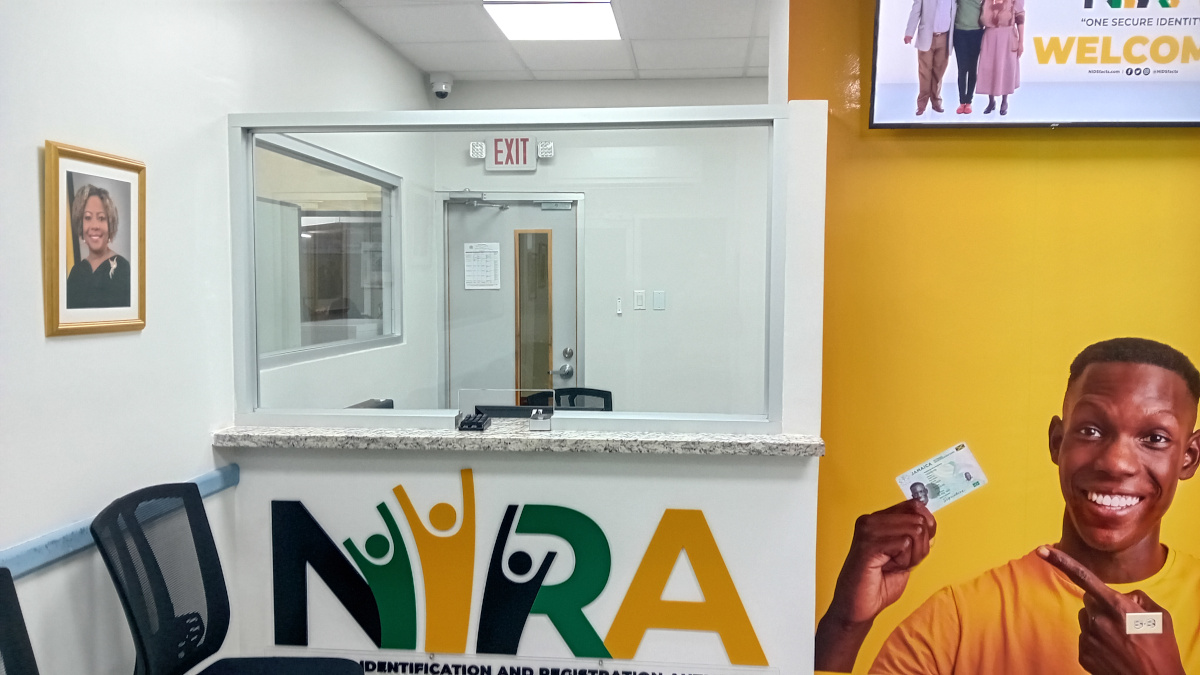
Jamaica Is Digitalizing but Not Yet Integrated
Jamaica has set a clear direction to become a more digital society. Initiatives such as the National Identification System (NIDS), the expansion of digital payments (JAM-DEX), and broader access to internet services all point toward a future where identity, transactions, and public services are increasingly digitized. The intent is clear, and progress is underway. Becoming…
-

Rethinking Financial Oversight: Jamaica’s Shift from Sectors to Twin Peaks
In January 2023, the Government of Jamaica announced that it is pursuing a “Twin Peaks” regulatory model for the financial sector. According to the Jamaica Information Service release dated January 26, 2023, the reform will modify the country’s traditional sector-by-sector supervisory framework, where different regulators oversee different types of financial institutions. Under the current system,…
-

Jamaica Simplified Know-Your-Customer. So Why Does It Still Feel Hard?
In 2019, Jamaica introduced simplified customer due diligence (CDD) through amendments to its Proceeds of Crime Act, Anti-Money Laundering (POCA AML) regulations. Customer Due Diligence is the procedure that banks must use before opening bank accounts for their customers. The goal was clear: to reduce on-boarding barriers (when opening bank accounts) and expand access to…
-

Basel III — How Modern Banking Rules Make Banks Safer
After the 2008 Global Financial Crisis, regulators saw a clear problem: many banks looked strong but were actually fragile. They had: Basel III was created by the Basel Committee on Banking Supervision to fix this. Global Adoption Basel III is not a law. It is a global standard adopted by countries through their own regulators.…
-

Why Basel Exists — The Origin of Global Banking Rules
Banking has not always had global rules. Before the 1970s, banks were regulated mostly within their own countries. As banks expanded internationally, this became a problem. A failure in one country could quickly affect others. In 1974, the collapse of a German bank exposed this risk. Regulators realized that banking instability could spread across borders.…