
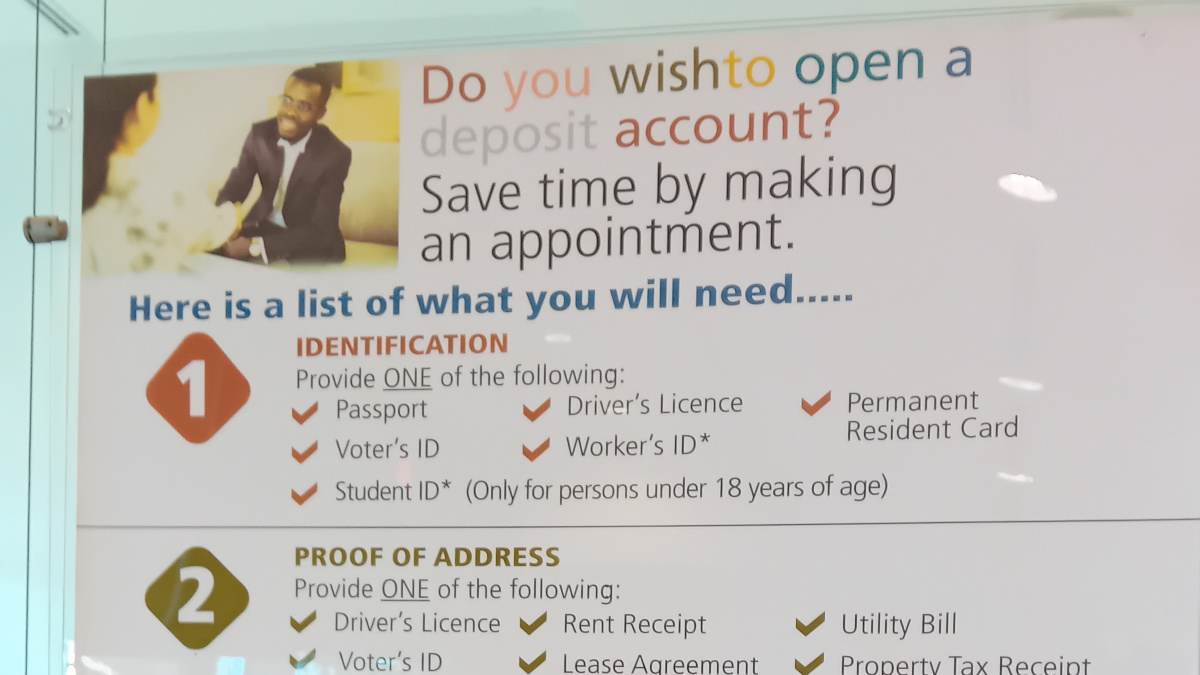
So, I was at a recent networking event staged by the PSOJ when someone asked: “Do you think Jamaica has more regulations than necessary?”
My immediate response was no. Jamaica largely complies with international standards imposed by global bodies. But that question forced me to look deeper — not at Jamaica first, but at history.
In the 1950s, the first universal credit card — Diners Club — relied on trust and paper signatures. Fraud followed scale. Later, the infamous “Fresno drop,” when BankAmericard mailed thousands of unsolicited cards, triggered widespread abuse and losses. The solution? Technology: magnetic stripes, real-time authorization, chip and PIN.
But money laundering is different.
In the 1980s, the scale of drug trafficking exposed how illicit funds could contaminate entire financial systems. (Remember Pablo Escobar?) This was not a payment glitch. It was systemic risk. Criminal money distorted liquidity by flooding banks with deposits that appeared stable but could disappear overnight. When those flows reversed, liquidity shocks followed.
The danger did not stop there. When large volumes of suspicious money become embedded in a system, supervisors can become overwhelmed, cautious, or slow to act. If enforcement weakens — whether from capacity limits or institutional hesitation — trust in the financial system begins to erode. And once confidence weakens, capital flows slow down.
That is why the Financial Action Task Force (FATF) was established in 1989: to prevent a race to the bottom where the weakest jurisdiction attracts the dirtiest money. If one country lowers standards, the entire network becomes vulnerable.
FATF sets the minimum. But minimum compliance is not enough for small open economies like Jamaica.
Grey-listing — which Jamaica faced in 2020 and exited in 2024 — does not freeze banks. But it signals heightened risk. Correspondent banks reassess exposure. Monitoring costs rise. Transaction friction increases. Capital flows become more cautious. In an import-dependent economy, reputational risk becomes financial friction — and when access to foreign currency tightens or becomes more expensive, pressure on the exchange rate can follow.
That is why Jamaica went beyond the floor: strengthening beneficial ownership transparency, expanding supervision to non-bank sectors, and increasing enforcement powers.
Regulation, in this context, is not bureaucratic excess. It is economic infrastructure.
Fraud in payments was solved with technology.
Systemic financial risk required governance.
The question is not whether we have too many regulations.
The question is whether we can afford too few.